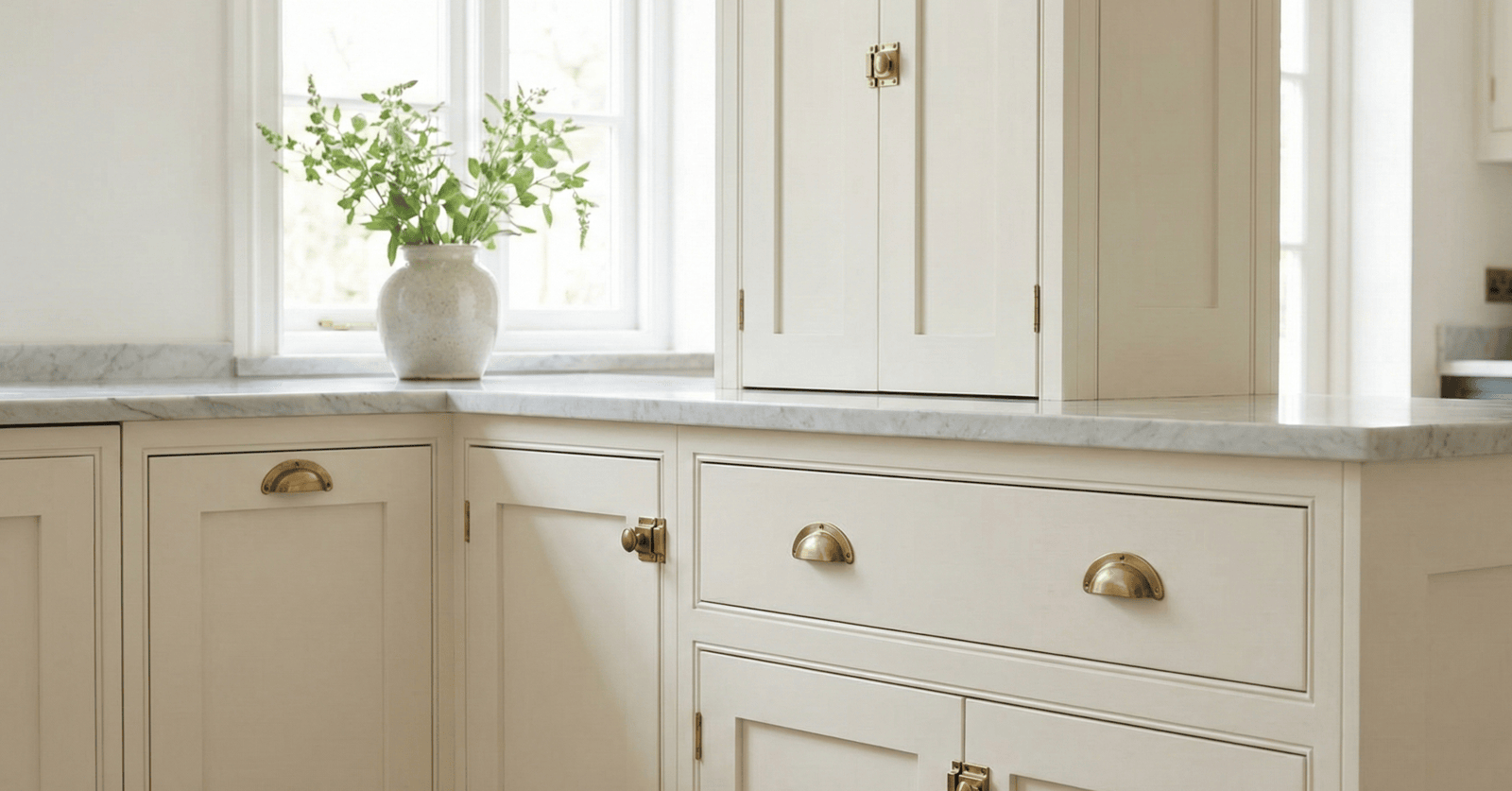
If you’re planning a kitchen remodel, chances are you’ve come across inset cabinets. They’re often described as timeless, elegant, and high-end – but what does that really mean for your kitchen? And more importantly, are inset cabinets actually the right choice for you?
Inset cabinets stand out for their clean lines and precise construction. Instead of overlapping the cabinet frame, the doors sit flush inside it. It’s a subtle detail, but one that creates a refined, furniture-like look you’ll often see in custom and luxury kitchens.
Homeowners are drawn to inset cabinets because they feel intentional, polished, and thoughtfully made. You’ll often see them in traditional, transitional, and high-end modern kitchens where detail and precision matter just as much as function.
In this article, we’ll explain what are inset cabinets, how they’re built, how they compare to overlay cabinets, and whether they’re worth the investment – so you can decide if they fit your style, budget, and long-term goals.
What Are Inset Cabinets?
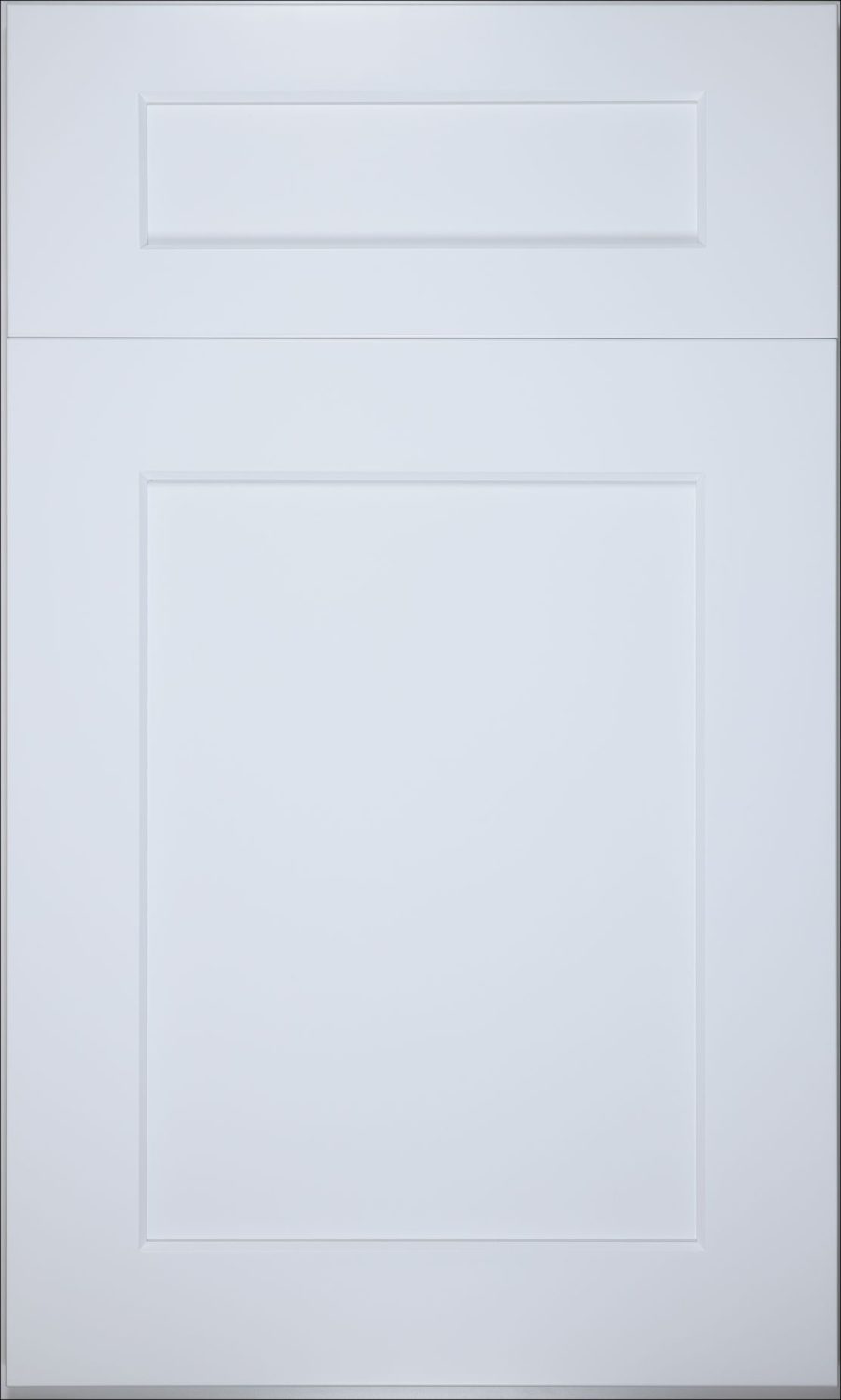
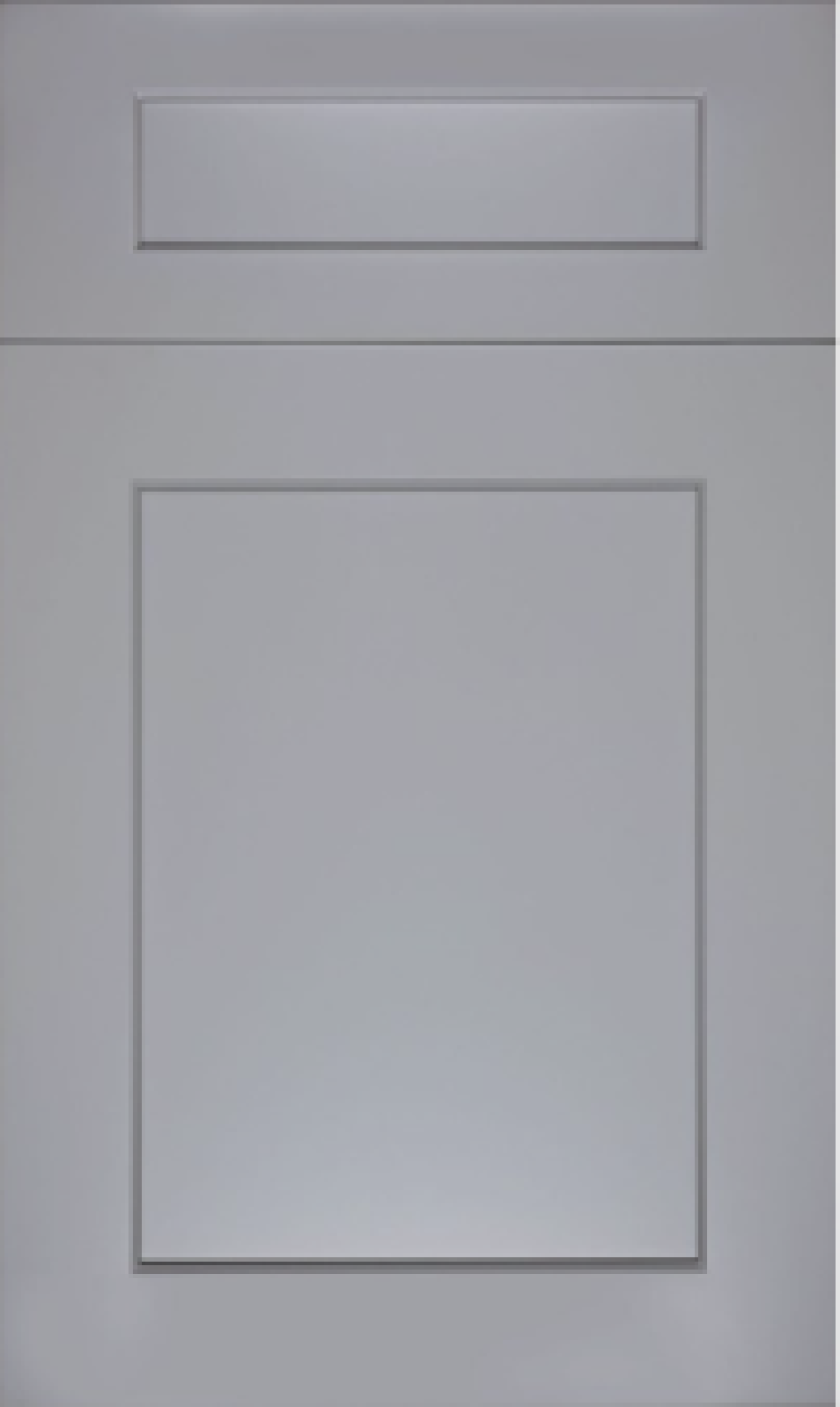
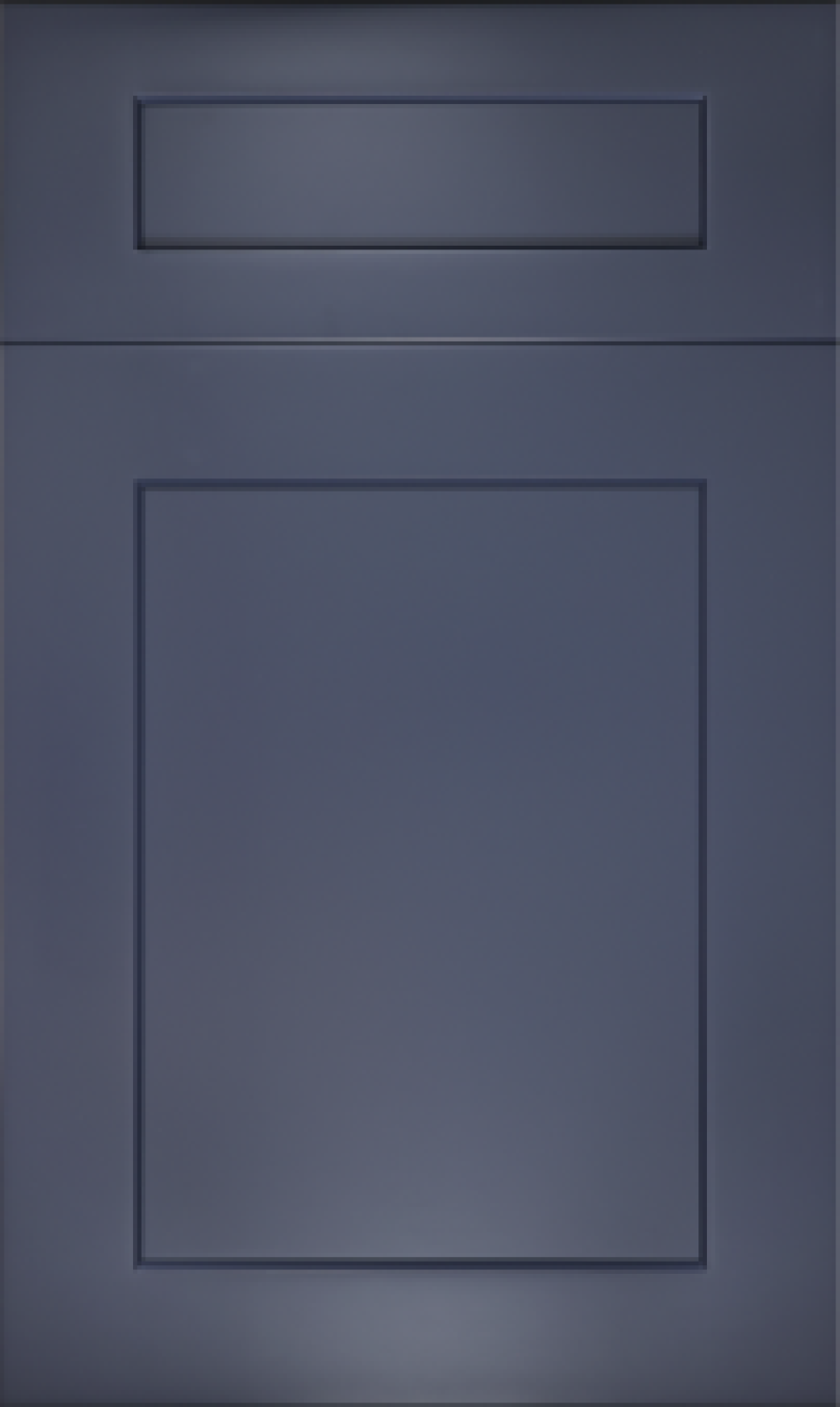
Inset cabinets are defined by how the doors and drawers are positioned. With inset cabinets, the door sits inside the cabinet frame instead of overlapping it. When the cabinet is closed, the front of the door is flush with the frame surrounding it.
And if you’re wondering what are inset kitchen cabinets, imagine cabinetry that looks built into the kitchen rather than applied on top of it. The frame is visible. The doors fit neatly within it. The gaps around each door are intentional, even, and carefully measured.
This is where inset cabinets differ from overlay cabinets. With overlay cabinetry, doors sit on top of the cabinet frame, either partially (partial overlay) or almost completely (full overlay). They are more forgiving and easier to manufacture. However, inset cabinets require precision.
That said, here are a few defining characteristics of inset cabinets:
- Doors and drawers sit flush within the face frame
- Small, consistent gaps (called reveals) surround each door
- The cabinet frame is visible when the doors are closed
- Construction is almost always framed – not frameless
How Inset Cabinets Are Constructed
Inset cabinets demand a higher level of construction precision than most other cabinet styles. Because the doors sit inside the frame rather than covering it, there’s very little room for error. Every component must be built, finished, and installed with care.
The cabinet frame plays a vital role. In framed cabinetry, the face frame creates individual openings for each door and drawer. For inset cabinets, these openings must be perfectly square, and the doors must be crafted to fit them exactly. Even slight inconsistencies can lead to uneven gaps or doors that bind over time.
Another key factor is door alignment. Inset doors need to open and close smoothly without rubbing against the frame, which means hinges, reveals, and clearances must all be planned precisely.
That’s why inset cabinets require tighter tolerances than overlay cabinetry. Seasonal wood movement, humidity changes, and natural material expansion need to be accounted for during construction.
This level of precision is also why inset cabinets rely heavily on skilled craftsmanship. From milling and joinery to finishing and installation, experience matters.
Note: While frameless cabinets are popular in some modern designs, inset cabinetry is always paired with framed construction, as it provides the strength and stability needed for long-term performance.
Inset Cabinets vs Overlay Cabinets (Key Differences)
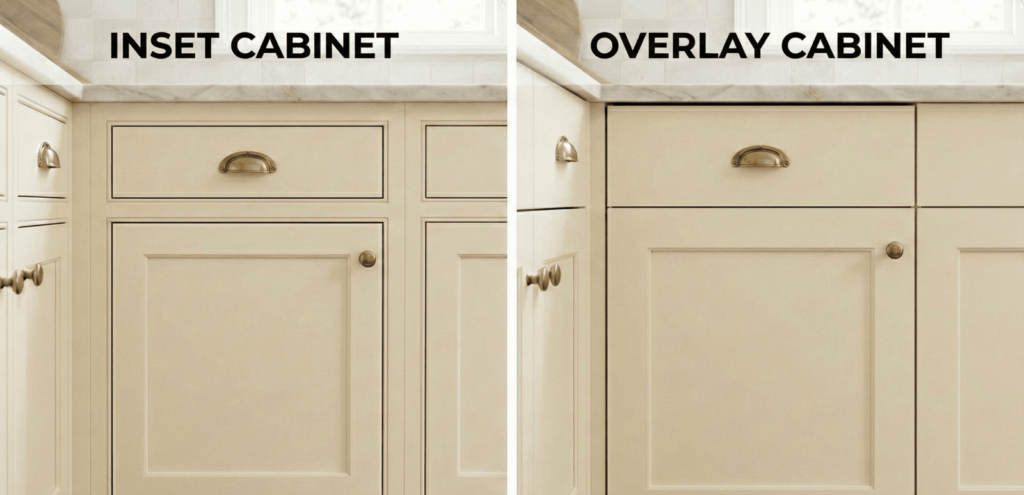
Most homeowners compare inset cabinets to overlay cabinets at some point in the planning process. While both styles can look beautiful, they serve different priorities.
Inset cabinets emphasize:
- Precision
- Symmetry
- Architectural detail
Overlay cabinets focus on:
- Efficiency
- Storage space
- Cost control
Before we get into a side-by-side comparison table, it’s worth noting that neither is inherently “better”; both are designed with different goals in mind. If you want a deeper comparison, you can explore our full inset vs overlay guide.
| Feature | Inset Cabinets | Overlay Cabinets |
| Door position | Flush inside the frame | Overlaps the frame |
| Visual style | Tailored, furniture-like | Clean, streamlined |
| Cost | Higher | Lower |
| Installation | Requires precision | More forgiving |
| Storage | Slightly reduced | Maximized |
| Best for | Custom, premium kitchens | Budget-friendly remodels |
Note: The choice often comes down to whether you value craftsmanship and appearance over efficiency and speed.
Pros and Cons of Inset Cabinets
Understanding inset cabinets pros and cons is important before you commit to them, especially because this style comes with both rewards and real limitations.
Inset cabinets are often associated with high-end kitchens for a reason – but they’re not the right choice for every home or every project. Looking at both sides helps you make a decision you won’t second-guess later.
Pros of Inset Cabinets
People often choose inset cabinets for their aesthetic appeal and craftsmanship; however, they also offer long-term value.
- Clean, flush, high-end look: Inset doors sit inside the cabinet frame, creating crisp lines, consistent spacing, and a balanced, intentional appearance. The overall result feels carefully crafted rather than mass-produced.
- Timeless, classic design: Unlike trend-driven styles, inset cabinetry has been used for decades and remains relevant. This often makes it a long-term choice that won’t date your kitchen easily.
- Architectural clarity and durability: The visible frame adds structure, especially in traditional or transitional kitchens. Framed construction also contributes to strength and longevity.
- Higher perceived value: Many buyers recognize the craftsmanship of inset cabinets, which can positively influence the perception of the kitchen and the overall home.
Cons of Inset Cabinets
Despite their appeal, inset cabinets do come with trade-offs, such as:
- Higher upfront cost: Precise construction and skilled installation make inset cabinets more expensive than overlay styles.
- Less forgiving installation: Uneven walls or floors can cause alignment issues, requiring careful preparation and professional installation.
- Slight loss of interior space: The cabinet frame reduces interior storage compared to full-overlay cabinets.
- Longer lead times: Custom work takes time, so inset cabinets are not ideal for tight schedules or quick renovations.
Why Choose Inset Cabinets?
Inset cabinets are best suited for homeowners who prioritize quality, detail, and long-term satisfaction over speed or minimal cost. If you’re investing in a custom or semi-custom kitchen, inset cabinetry can elevate the entire space.
They’re particularly appealing to homeowners who seek premium design, especially in traditional or transitional homes where architectural detail matters.
Designers and builders working on high-end projects also favor inset cabinets because they complement thoughtful layouts and intentional materials.
Beyond practicality, there’s an emotional element at play. Inset cabinets reflect artisanal skill, precision, and a sense of pride in ownership. They feel considered and permanent, not disposable.
For many homeowners, that sense of lasting value makes the investment worthwhile.
Design Styles That Work Best with Inset Cabinets
The common perception is that inset cabinets are best suited to traditional kitchen designs. This is far from true. In fact, they are extremely versatile.
Some of the best kitchen designs for inset cabinets:
Traditional Kitchens
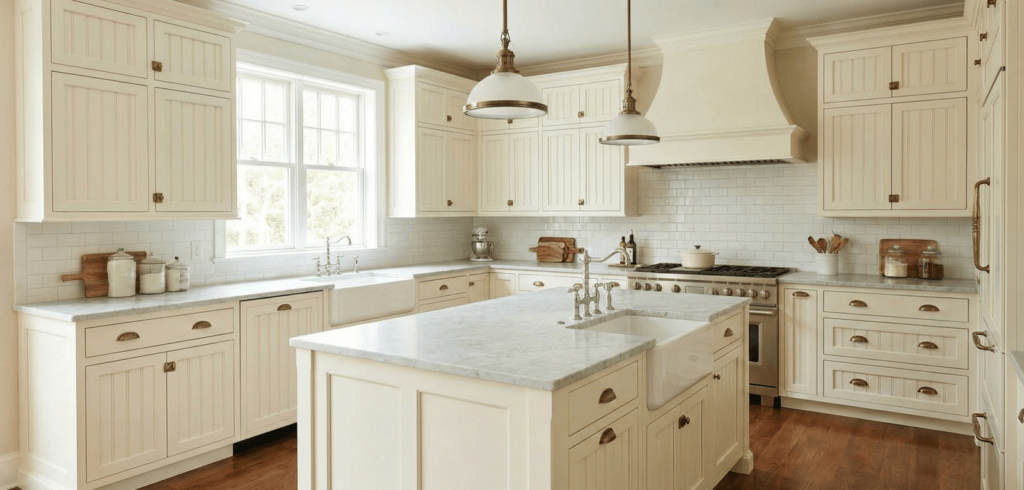
Inset cabinets look great in traditional kitchen designs. They go very well with decorative moldings, raised panels, and classic proportions. The frame around the cabinets provides a sense of structure.
Transitional Kitchens
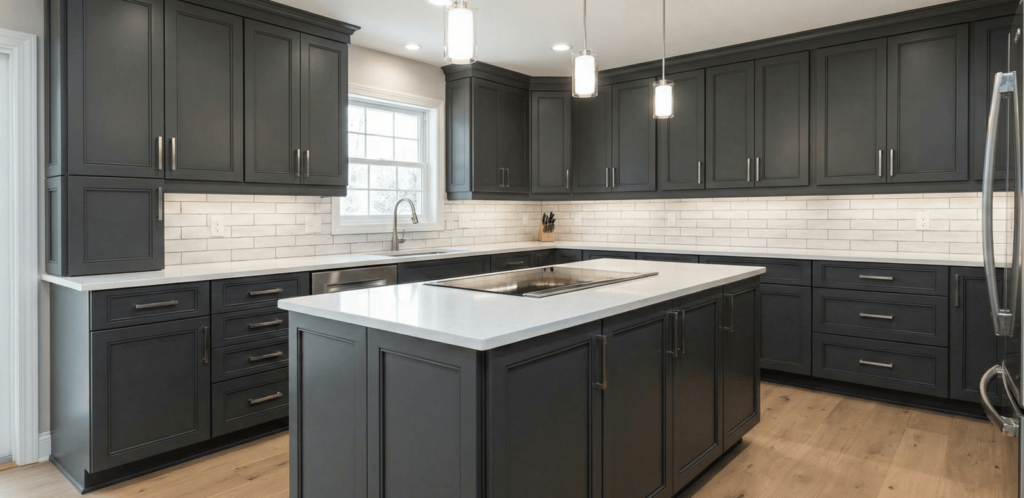
Transitional kitchens blend classic and contemporary elements, and inset cabinets excel in this setting. Their clean, balanced lines provide a modern touch while maintaining warmth and familiarity.
This balance ensures the kitchen feels current but not trendy, which appeals to homeowners who want timeless design with subtle modern updates.
Shaker-Style Kitchens
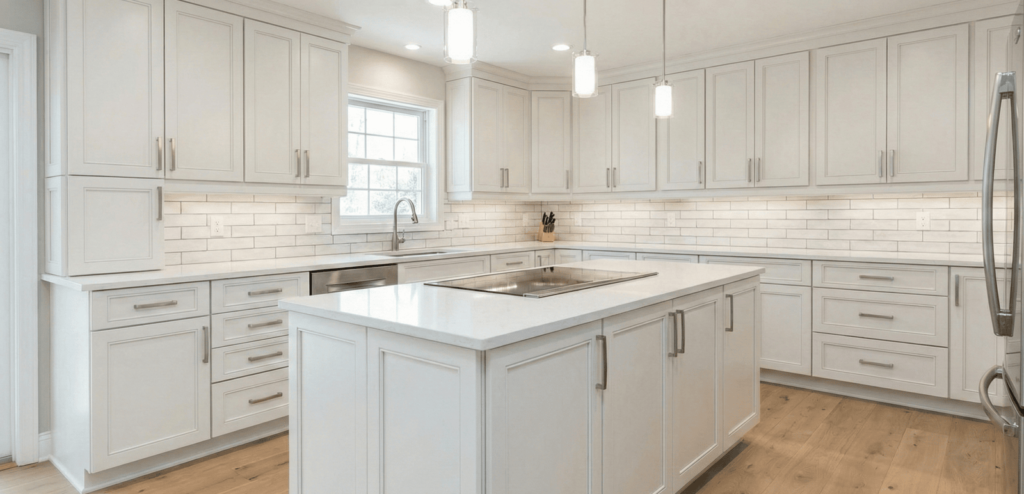
Shaker-style kitchens emphasize simplicity and practical skill in design. Inset doors complement this aesthetic perfectly, allowing the focus to remain on proportion and detail rather than ornate decoration.
The result is a space that feels purposeful, neat, and well-crafted.
European-Inspired and Modern Kitchens
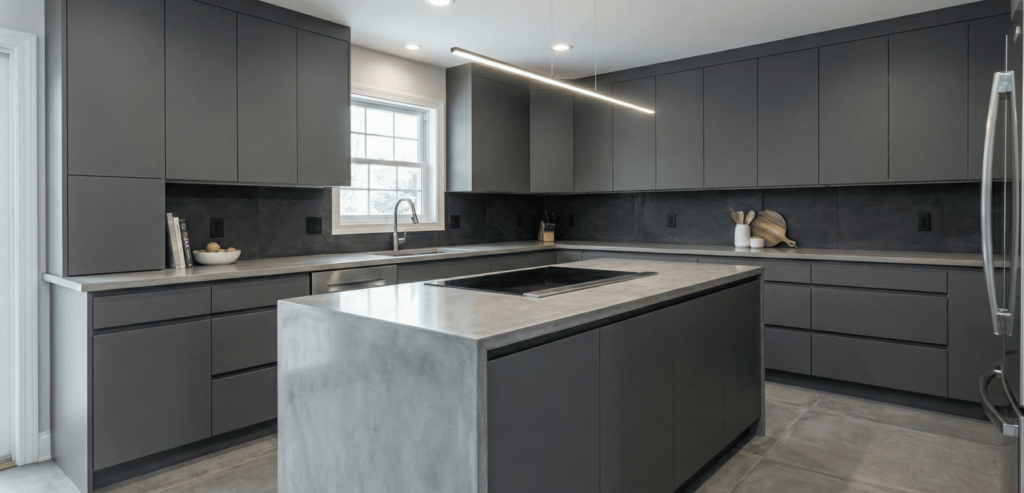
European-inspired kitchens benefit from the minimal ornamentation, flush lines, and understated elegance of inset cabinets. For modern kitchens, flat-panel doors, concealed hinges, and precise reveals create a crisp, contemporary look.
This demonstrates that inset cabinets are far from “old-fashioned” – they can deliver a sleek, sophisticated style that fits today’s design trends.
Inset Cabinet Hinges & Hardware
Believe it or not, hardware has a defining role in the final look of inset cabinets. Because doors are installed within the frame, hinges must be carefully selected and installed.
With inset cabinet hinges, you have two main options: exposed or concealed. Exposed hinges are visible on the cabinet face and often feature decorative detailing, giving the kitchen a traditional, classic feel. They can serve as subtle design accents, especially when paired with high-quality finishes such as brass, bronze, or nickel.
On the other hand, concealed hinges are hidden when the door is closed, providing a clean, modern look. These are ideal for contemporary or minimalist designs, where the focus is on uninterrupted lines and simplicity.
Hardware placement and sizing are especially important with inset cabinets. Small misalignments are more noticeable, which is why precision is crucial from planning through installation.
Note: Decorative hinge finishes can become subtle design features rather than functional afterthoughts.
Are Inset Cabinets More Expensive?
It’s no secret: inset kitchen cabinets cost more than standard overlay cabinets. But knowing why can help you see the long-term value of this premium option.
The higher price starts with the materials and the quality of construction. Inset cabinetry requires careful assembly, tight tolerances, and high-quality framed cabinet boxes.
Every door and drawer front must fit perfectly within the frame, which takes skilled labor and additional time in both manufacturing and installation. Even minor errors can affect the fit and finish, which adds to the overall cost.
Moreover, your choice between stock, semi-custom, or custom inset cabinets also affects cost. Stock inset cabinets are rare and often limited in size, finish, and style.
Semi-custom options provide more flexibility but increase the price. Fully custom inset cabinets allow for exact sizing, unique finishes, and tailored design; however, they come at the highest cost.
Also, installation adds to the investment. Because inset cabinets demand exact alignment, professional installation is required. Attempting a DIY approach could compromise the fit, finish, and longevity of your cabinets.
Despite the higher upfront cost, many homeowners see inset cabinetry as an investment in long-term value. The timeless design, durability, and premium workmanship mean your kitchen will not only look high-end today but also maintain its appeal for decades.
When you factor in resale value, the extra cost often pays off over time.
Inset Cabinets in Kitchens vs Other Spaces
Inset cabinets aren’t limited to kitchens only – they can elevate almost any space in your home.
- Kitchens: This is where inset cabinets shine the most. Their clean, flush design, exact alignment, and framed construction create a high-end, polished look that withstands daily use. Kitchens benefit from the combination of durability and style, making them ideal for homeowners who value both function and aesthetics.
- Bathrooms: Inset cabinetry can bring a refined, custom feel to bathroom vanities and storage units. While bathrooms usually involve smaller cabinets, the flush lines and attention to detail enhance a sense of luxury.
- Built-ins: Bookcases, media units, or shelving benefit from inset construction because it adds structure, symmetry, and a high-end finish.
- Laundry Rooms: Inset cabinets can make laundry areas feel more organized and upscale, though their higher cost may be a consideration.
While inset cabinets seamlessly work in all these spaces, the kitchen remains the area where their alignment, durability, and aesthetic impact are most appreciated.
Common Mistakes to Avoid When Choosing Inset Cabinets
Even with the best intentions, mistakes can compromise the look and functionality of inset cabinetry. Avoiding these common pitfalls ensures your investment pays off.
- Choosing low-quality manufacturers: Inset cabinets require meticulous craftsmanship and high-quality materials. Cutting corners here often leads to gaps, misalignment, and long-term maintenance headaches. Always select a manufacturer known for work quality and consistent results.
- Poor installation: Unlike overlay cabinets, inset doors rely on tight tolerances. Incorrect installation can ruin the flush, tailored appearance. Hiring an experienced installer is a must.
- Ignoring seasonal wood movement: Wood naturally expands and contracts with changes in temperature and humidity. Inset cabinets must account for this to maintain alignment. Failing to consider wood movement can cause sticking or gaps over time.
- Not planning hardware early: Placement of hinges, knobs, and pulls is critical in inset cabinetry. Adjusting hardware after installation can be difficult, so plan these details in advance.
Make sure to tackle these issues early, as it helps prevent frustration and ensures your inset cabinets remain functional, beautiful, and aligned for years to come.
This attention to detail also highlights why choosing the right company – like Highland Cabinetry – is so important.
Are Inset Cabinets Right for You?
To decide if inset cabinets fit your kitchen or project, consider the following checklist:
- Budget considerations: Do you have room in your budget for premium cabinetry? Remember, higher skill and installation costs are part of the investment.
- Design preference: Are you drawn to clean, flush, and furniture-like aesthetics? Inset cabinets are perfect for classic, transitional, and modern designs.
- Timeline: Custom inset cabinets take longer to produce and install. Can your project timeline accommodate longer lead times?
- Maintenance expectations: Inset doors may need occasional adjustments to keep them fitting and operating smoothly. Are you willing to invest a little care for long-term performance?
If you answered yes to these factors, inset cabinets are likely a great fit.
Inset Cabinets FAQs
Are inset cabinets outdated?
No. They’re considered timeless and continue to be used in both classic and modern designs.
Do inset cabinets reduce storage space?
Slightly. Framed construction takes up some room, but most homeowners find the trade-off worth it.
Can inset cabinets work in modern kitchens?
Yes. Sleek finishes and integrated hardware make them look contemporary.
Are inset cabinets worth the cost?
For homeowners who value fine workmanship and long-term quality, yes.
Are inset cabinets harder to maintain?
They require minor adjustments over time to maintain perfect alignment, but with quality materials and skilled installation, maintenance is simple.
Conclusion
Inset cabinets are more than kitchen cabinets – they’re a statement. Doors that sit flush inside a sturdy frame create a clean, tailored, and custom look. They fit traditional, transitional, shaker, and modern kitchens.
Though they cost more, require exact installation, and slightly reduce storage space. But the long-term benefits – timeless design, durability, and added value – make them worthwhile.
If you’re ready to explore inset cabinet options, Highland Cabinetry can help. Contact us to request a consultation or quote. Take the first step toward a kitchen that combines timeless beauty with lasting quality.