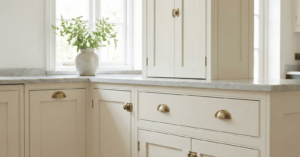
Updating your kitchen is one of the best ways to refresh your home. However, a full kitchen remodel can be expensive, stressful, and time-consuming. Many homeowners want a better-looking kitchen without tearing everything apart. That is where kitchen cabinet refacing comes in.
Cabinet refacing is a popular option because it provides your kitchen a brand-new look while keeping your existing cabinet boxes. You get new doors, new drawer fronts, and a clean, modern finish – without the cost of full replacement.
So, what is cabinet refacing, exactly? Is it just a fancy term for painting cabinets? Is it worth the money? And how do you know if it’s the right choice for your kitchen? This guide will walk you through all this – and much more.
What Is Cabinet Refacing?
Cabinet refacing, also called cabinet resurfacing, is about updating how your cabinets look – without replacing the entire cabinet structure.
When you choose this option, the cabinet boxes stay in place, but the visible components are updated. That usually includes:
- Replacing all cabinet doors
- Replacing drawer fronts
- Covering exposed cabinet frames and sides with a matching veneer or laminate
- Installing new hardware
In other words, you change what you see and touch every day, not what’s hidden behind the scenes.
This is why cabinet refacing is often grouped under resurfacing kitchen cabinets. You resurface the exterior and keep the bones of the kitchen intact.
Note: In refacing, the cabinet boxes, layout, and plumbing remain the same, while doors, finishes, hardware, and the kitchen’s overall appearance are changed.
How Refacing Is Different From Painting or Refinishing
Cabinet refacing is not similar to painting or refinishing (we’ll delve into this later in the article).
- Painting or refinishing keeps your old doors. They are sanded and painted or stained.
- Refacing replaces the doors and drawer fronts completely.
Refacing gives you more style choices. You can change door shapes, colors, and materials – not just the color of paint.
How Kitchen Cabinet Refacing Works (Step-by-Step)
Kitchen cabinet resurfacing is much faster than a full remodel. Most projects take just a few days, not weeks. Here is how the process typically works.
Step 1: Inspecting Your Cabinets
The first step is to check your existing cabinets. Professionals or skilled DIYers look for:
- Strength: Are the cabinet boxes solid and able to hold weight?
- Water Damage: Any signs of warping or rot can prevent refacing.
- Level and Square: Cabinets need to be straight so doors fit properly.
If the boxes are in good condition, your kitchen is ready for refacing. This step ensures your new doors and finishes will last for years.
Step 2: Removing Old Doors and Drawers
Next, the old parts are removed. This includes:
- Cabinet doors
- Drawer fronts
- Hinges, handles, and other hardware
At this stage, the kitchen may look empty or unfinished, but this is temporary. Removing the old pieces enables a smooth, precise installation of new materials.
Step 3: Applying Veneer or Laminate
The visible cabinet boxes are now covered with veneer or laminate. This step is important because it gives your old cabinets a clean, updated look.
The veneer is carefully applied to match the new doors, ensuring a seamless and polished finish. Properly installed veneer hides any wear or discoloration on the old surfaces.
Step 4: Installing New Doors, Drawers, and Hardware
This is where your kitchen really starts to transform. New cabinet doors and drawer fronts are installed, followed by new hardware, such as handles and hinges.
You can also add upgrades such as soft-close drawers or doors. At this point, the kitchen begins to appear brand new.
Step 5: Final Adjustments and Cleanup
The final step is aligning doors and drawers so everything fits perfectly. Professionals check for smooth operation and make minor adjustments as needed.
Once everything is in place, the workspace is cleaned up. You can usually use your kitchen during the process, which makes refacing much easier than a full renovation.
Cabinet Refacing vs Refinishing vs Replacing
When updating your kitchen, it’s important to understand the difference between refacing, refinishing, and replacing cabinets. Each option has its own benefits, costs, and limitations.
Understanding these differences will help you choose the best solution for your home.
| Feature | Refacing | Refinishing | Replacing |
| Cost | Medium | Low | High |
| Time | 3–5 days | 2–4 days | Weeks |
| New Doors | Yes | No | Yes |
| Cabinet Boxes | Kept | Kept | Replaced |
| Layout Changes | No | No | Yes |
| Design Options | Many | Limited | Unlimited |
| Longevity | Long | Medium | Longest |
For homeowners looking to refresh their kitchen efficiently, resurfacing kitchen cabinets through refacing is often the sweet spot – it’s faster, cleaner, and less expensive than full replacement.
Pros and Cons of Kitchen Cabinet Refacing
Like any home improvement project, cabinet refacing has its benefits and drawbacks. It’s better to weigh both pros and cons of this option to decide if it’s right for your kitchen.
Pros of Kitchen Cabinet Refacing
Cabinet refacing offers several benefits that make it a popular choice for homeowners.
- Lower cost than replacement: Because you keep the cabinet boxes, refacing is much cheaper than a full remodel. You pay only for new doors, drawer fronts, veneer, and hardware.
- Faster turnaround: Most projects are completed in three to five days. That means less disruption to your home and faster enjoyment of your upgraded kitchen.
- Less mess: There’s no demolition, no construction dust, and no need to remove countertops or flooring. Your kitchen stays functional during the process.
- Eco-friendly option: Reusing cabinet boxes reduces waste. It’s a greener alternative compared with replacing everything.
- Big visual upgrade: New doors, finishes, and hardware can completely change the view of your kitchen. Even a small update can make the space feel modern and fresh.
Cons of Kitchen Cabinet Refacing
While refacing has many benefits, there are also some downsides to keep in mind, such as:
- Cannot change layout: Refacing only updates the surfaces. If your kitchen layout doesn’t work, it won’t solve that problem.
- Cabinet boxes must be solid: If the cabinet structure is damaged, warped, or rotted, refacing is not a good option.
- Requires skilled installation: Poor installation can lead to misaligned doors, peeling veneer, or uneven finishes. While it’s faster than replacement, it still needs expertise for a polished result.
How Much Does Kitchen Cabinet Refacing Cost?
Many homeowners often wonder how much kitchen cabinet refacing costs. While the price can vary from $4,000 to $10,000, it is generally cheaper than a full cabinet replacement (but more expensive than simple refinishing).
That said, here are a few factors that could affect its cost:
- Door Material: The type of doors you choose makes a big difference. Solid wood doors cost more than MDF or laminate doors. Higher-end materials give a premium feel but add to the overall price.
- Veneer Type: The material used to cover the cabinet boxes also matters. Real wood veneers are more expensive but give a natural, warm finish. Laminate is affordable, durable, and comes in many colors and patterns.
- Hardware: Handles, knobs, and hinges vary in price. Upgraded hardware, soft-close drawers, and designer handles increase the cost; however, they improve both function and style.
- Kitchen Size: The bigger your kitchen, the more doors, drawer fronts, and veneer panels you need. Larger kitchens naturally cost more than smaller ones.
DIY Cabinet Refacing vs Professional Refacing
Planning a cabinet refacing? You have two main options: doing it yourself (DIY) or hiring a professional. Some homeowners consider updating their kitchen cabinets themselves.
Let’s check out which option is the right fit for you:
DIY Cabinet Refacing
DIY resurfacing usually involves numerous steps.
- Buying new doors online or from a store
- Applying veneer to the cabinet boxes yourself
- Installing hinges, handles, and other hardware
While it may seem simple, DIY refacing requires careful measuring, cutting, and installation. Plus, depending on your kitchen size, a DIY project can take several weekends or even longer.
Many people search for DIY cabinet refacing before and after photos online. Some turn out great, but many show common problems such as:
- Bubbling veneer that doesn’t stick smoothly
- Crooked doors that don’t line up
- Uneven gaps between doors and drawers
- Chipped edges or damage during installation
Even small mistakes can be hard and costly to fix, which makes DIY refacing challenging for many property owners.
Professional Cabinet Refacing
When you hire a professional, it ensures:
- Precision fit: Doors and veneers are cut and installed perfectly
- Better materials: Professionals have access to higher-quality veneers, doors, and hardware
- Faster completion: Most kitchens are done in 3–5 days
- Warranty and longevity: Work is backed by experience and sometimes guarantees
If you’re still unsure between the two, here’s your deciding checklist:
- Choose DIY only if you have woodworking experience, time, and patience.
- Hire professionals if you want clean results, faster completion, and long-term durability.
For most homeowners, professional refacing is worth the investment because it ensures a polished, hassle-free transformation.
Cabinet Refacing Supplies: What’s Involved?
If you’re curious about what goes into cabinet refacing, knowing the supplies helps you understand why it’s more complex than it looks. Whether you perform DIY or hire a professional, these materials are essential.
Veneers
Veneers cover the visible cabinet boxes to give them a fresh finish. They come in two main types:
- Wood veneer: Real wood that adds warmth and a high-end look
- Laminate veneer: Durable, affordable, and available in many colors and patterns
Veneers are carefully measured and applied to ensure a smooth, seamless appearance.
Cabinet Doors and Drawer Fronts
New doors and drawer fronts completely change the look of your kitchen. Common styles include:
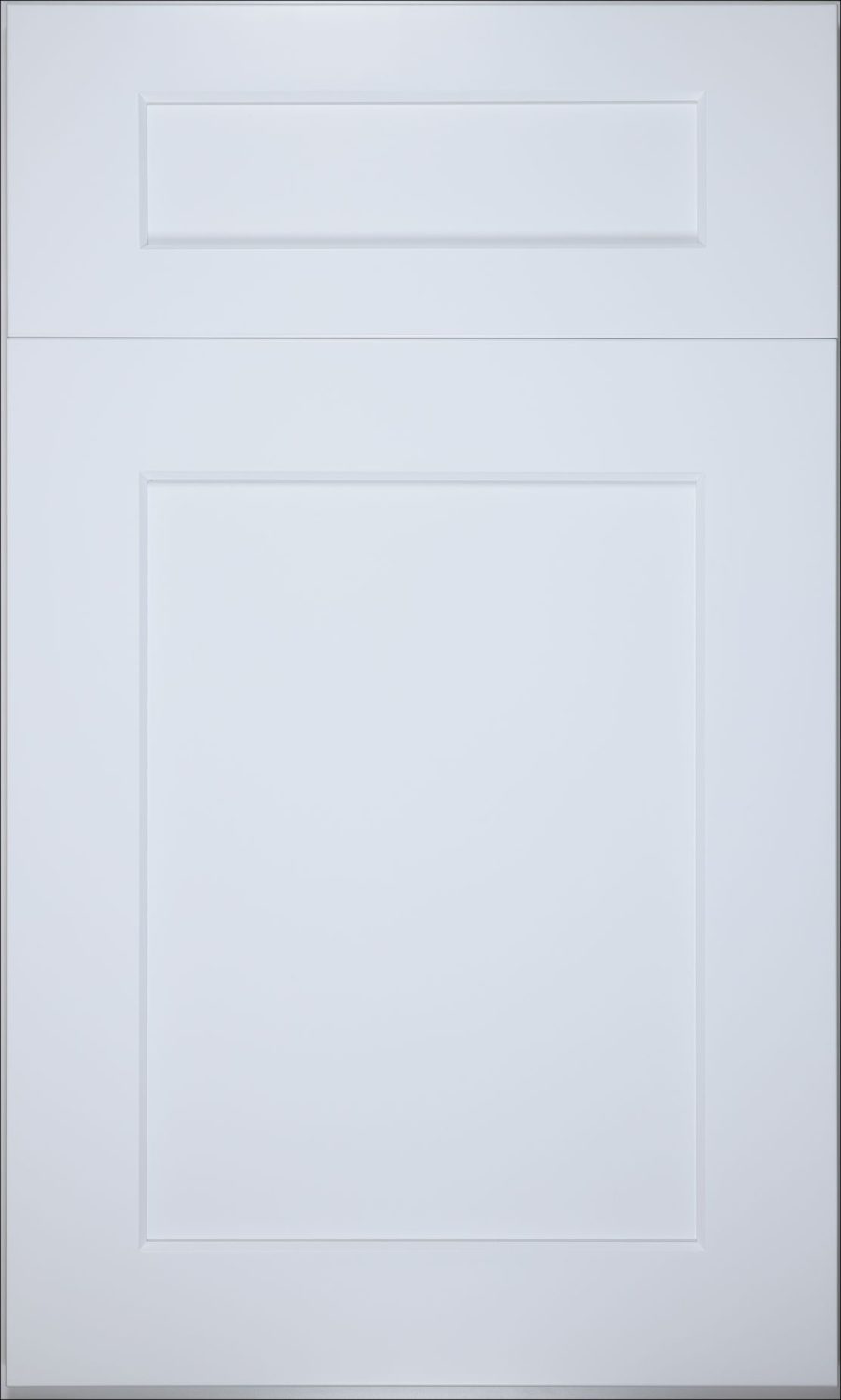
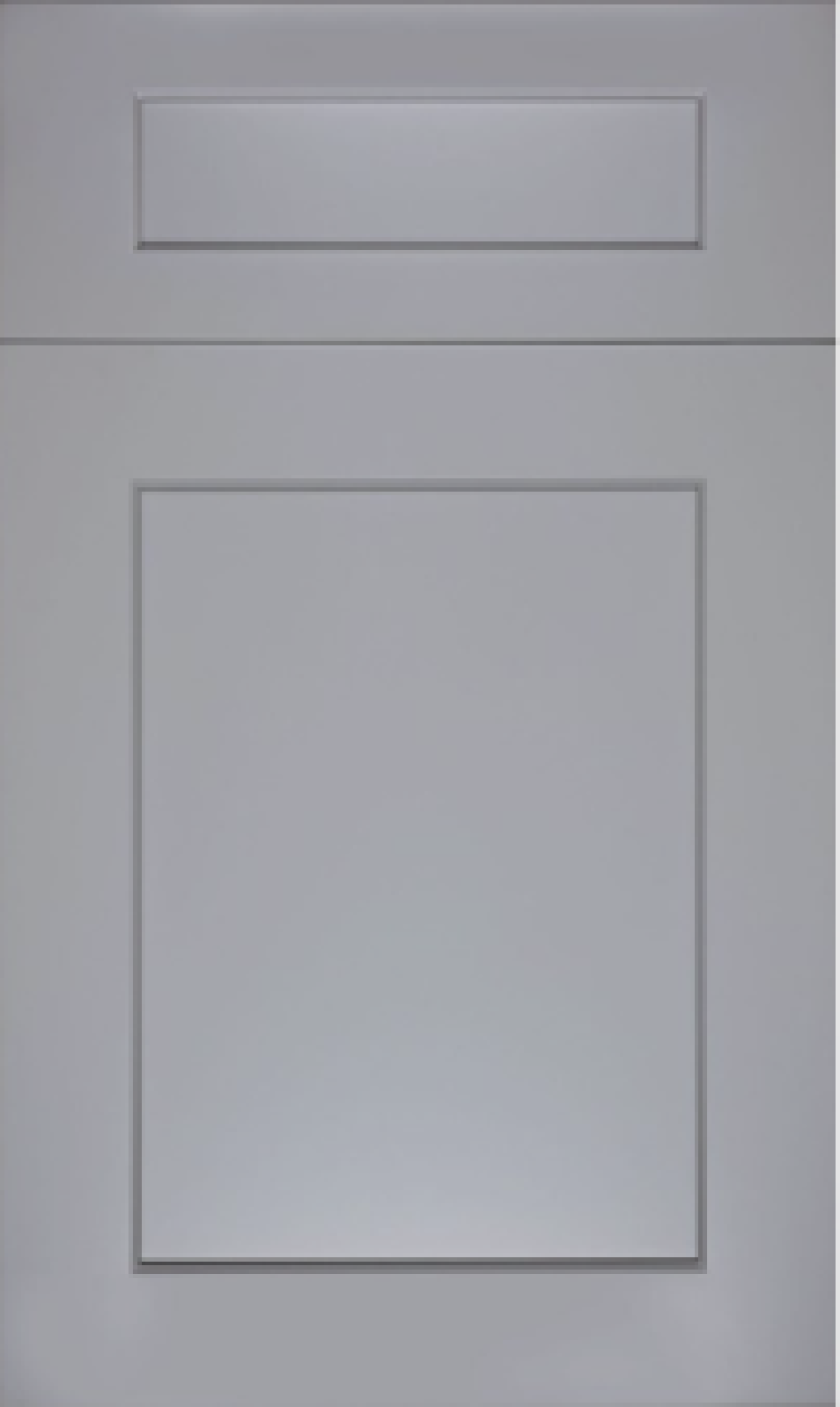
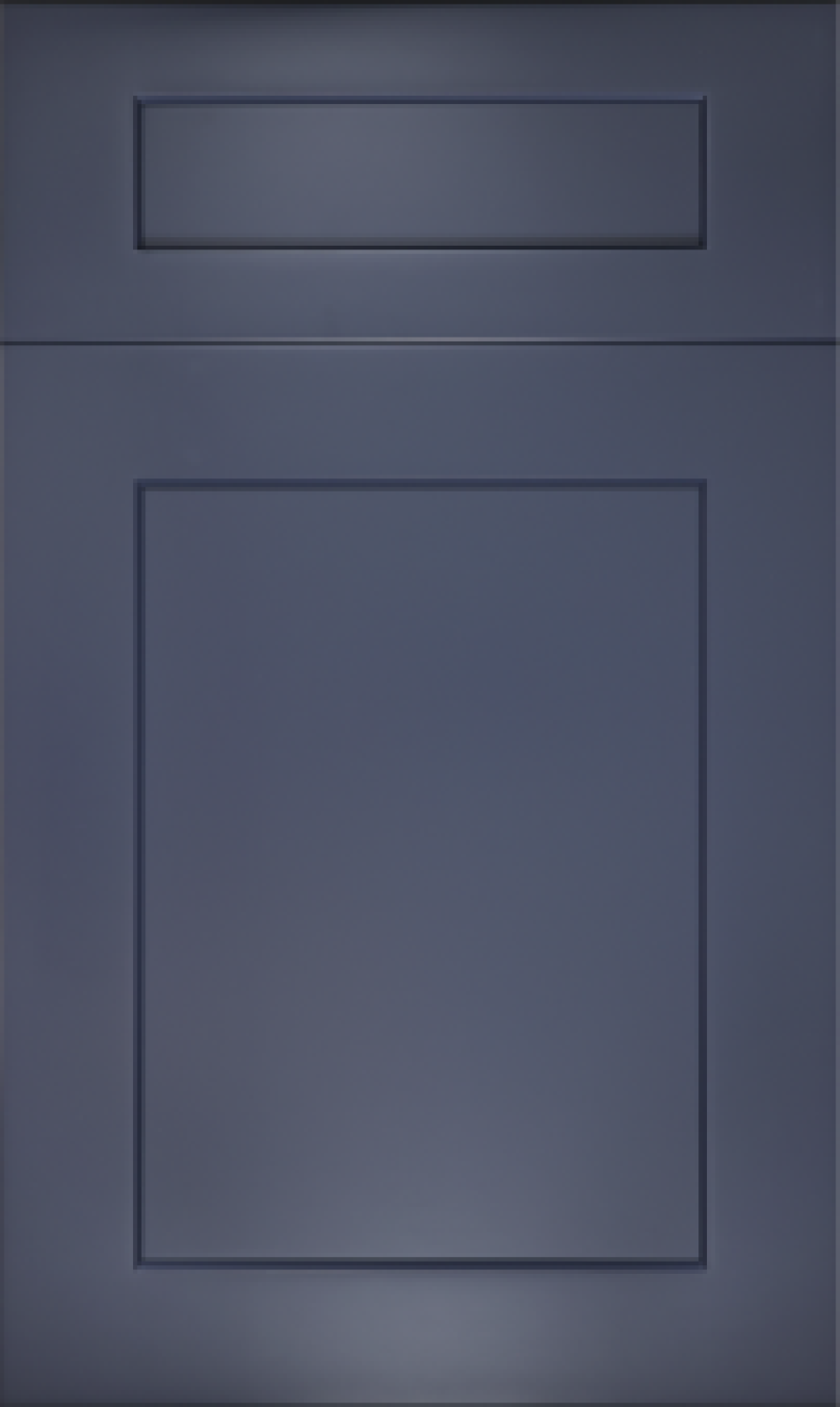
- Shaker: Clean, simple, and popular for modern kitchens
- Slab/Flat: Minimalist style with a sleek, contemporary look
- Raised Panel: Classic and traditional style
Choosing the right style can dramatically alter your kitchen’s feel.
Adhesives
Strong adhesives keep veneers in place and prevent peeling over time. Professionals typically use:
- Contact cement
- Heat-activated glue
Correct application ensures long-lasting results.
Hardware
Hardware is the finishing touch. It includes:
- Hinges
- Knobs and handles
- Soft-close systems for drawers and doors
Upgraded hardware can add function and style without much cost.
Tools
Some tools required for refacing include:
- Saws for cutting doors and veneer
- Rollers for applying adhesive
- Clamps to hold materials in place
- Measuring tools for precise alignment
Although cabinet refacing appears easy, it requires specific supplies and skills to achieve a professional finish.
Before and After: What Cabinet Refacing Can Transform
One of the most exciting parts of cabinet resurfacing is seeing the transformation. Even a kitchen that looks old, worn, or outdated can feel completely new with the right updates.
Typical “Before” Problems
Many kitchens ready for refacing have:
- Scratched or chipped cabinet doors
- Faded or outdated finishes
- Heavy, old-fashioned styles
- Worn-out handles and knobs
Even if the cabinet boxes are still strong, these issues can make a kitchen feel tired and uninviting.
Visual Impact After Refacing
Once refacing is complete:
- Cabinet doors and drawer fronts look brand new
- Veneers and finishes brighten the space
- Updated handles and hardware add style and function
- The kitchen feels modern, fresh, and clean
Style Changes You Can Achieve
Cabinet refacing allows you to completely change the style of your kitchen. For example:
- Dark, dated cabinets can become bright white shaker-style cabinets
- Old panels can be replaced with sleek, flat-front modern doors
- Hardware upgrades can add a polished, contemporary touch
Small changes, such as new veneer or hardware, can also make your kitchen feel completely different.
Cabinet resurfacing gives you a dramatic visual upgrade without tearing out the cabinets, saving time, money, and stress while creating a kitchen you’ll love.
When Cabinet Refacing Is a Good Idea
A cabinet facelift is a great choice for most homeowners; however, it isn’t perfect for every situation. Here’s when refacing makes sense:
- Cabinet boxes are structurally sound: If your cabinets are strong and level, they can be refaced.
- Layout works: Refacing keeps your kitchen layout the same. If the layout is fine, refacing is a quick upgrade.
- Budget-conscious remodel: Refacing is less expensive than a full replacement but still gives a major visual upgrade.
- Quick improvement needed: A project can be done in just a few days.
- Rental or resale prep: If you’re selling your home or updating a rental property, refacing can boost appeal without a significant investment.
If most of these points apply to your kitchen, refacing is likely a smart choice.
When You Should NOT Choose Cabinet Refacing
Resurfacing is not a universal solution. Here are situations where it’s better to consider replacement instead:
- Broken cabinet boxes: Cabinets must be strong. Damaged or warped boxes cannot properly hold veneers or new doors.
- Poor layout: If your kitchen doesn’t function well, refacing won’t fix the flow or add storage.
- Major storage issues: Refacing keeps the same boxes so it won’t solve storage problems.
- Severe water damage: Cabinets exposed to water may rot beneath the surface. Refacing can’t repair structural damage.
Being honest about these limitations helps prevent wasted time, money, and frustration. Professionals will usually inspect cabinets first to ensure refacing is a good fit.
Is Kitchen Cabinet Refacing Worth It?
For many people, cabinet refacing is worth it. Here are some potential reasons why:
- Cost vs value: You get a modern, refreshed kitchen without paying for a full replacement.
- Resale impact: Updated cabinets make your kitchen more appealing to buyers. While it may not add as much value as a full remodel, it significantly improves the look and feel.
- Longevity: High-quality refacing can last 15–20 years with proper care.
- Best use cases: Solid cabinets, good layout, and a desire for a fast, noticeable upgrade.
Refacing is an efficient way to achieve a big kitchen transformation. It balances cost, speed, and aesthetics for homeowners who want results without major construction.
Frequently Asked Questions About Cabinet Refacing
How long does cabinet refacing last?
With quality materials and professional installation, refaced cabinets can last 15–20 years.
Can you reface cabinets with any door style?
Most door styles work, including shaker, flat, and raised panel designs.
Does refacing increase home value?
Yes. Updated cabinets make kitchens more attractive, which can help with resale.
Is refacing cheaper than replacing?
Yes. Refacing keeps the cabinet boxes and avoids demolition, making it less expensive than a full remodel.
Can old cabinets always be refaced?
Only cabinets with solid, undamaged boxes are good candidates.
How long does the process take?
Most kitchens are completed in 3–5 days, depending on size and complexity.
Can I do cabinet refacing myself?
DIY is possible, but it requires skill and time. Many homeowners hire professionals to ensure clean, precise results and avoid common mistakes like uneven doors or bubbling veneer.
Cabinet Refacing vs New Cabinets from Highland Cabinetry
Sometimes homeowners wonder whether to reface or install new cabinets from scratch. Here’s your go-to guide:
When refacing makes sense:
- Cabinets are in good condition and structurally sound.
- The layout works and doesn’t need changes.
- You want a modern look with minimal disruption and cost.
When are new cabinets better?
- Cabinets are damaged, warped, or water-logged.
- The kitchen layout needs a redesign or additional storage.
- You want completely new features, such as pull-out shelves, larger drawers, or custom cabinetry.
At Highland Cabinetry, quality craftsmanship ensures that whether you choose refacing or new cabinets, the results are precise, durable, and stylish. The right choice depends on your kitchen’s condition, your goals, and your budget.
Conclusion
Now you know what cabinet refacing is, how it works, and whether it might be a better choice for your home.
Cabinet resurfacing is a cost-effective, fast, and visually dramatic option for homeowners with solid cabinets who want a modern, updated kitchen. It preserves the cabinet boxes, replaces doors and drawers, and refreshes the overall look – all in just a few days.
Before deciding, consider:
- The condition of your cabinets
- Your budget and timeline
- Whether your layout works
- The level of skill required if doing it yourself
If you want guidance on whether to reface or replace, explore your options with Highland Cabinetry to make the best decision for your home.