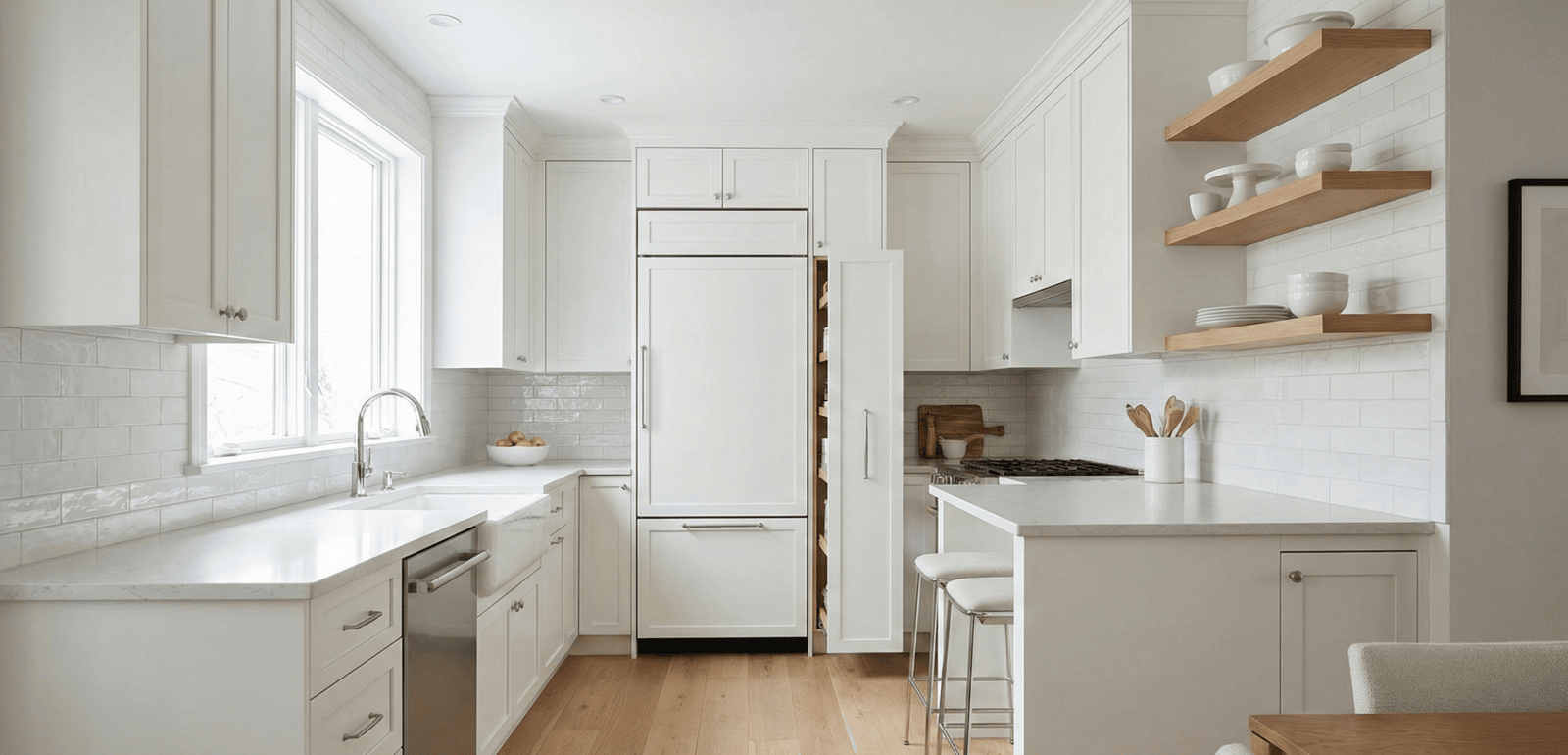
A small kitchen can feel frustrating. You want space to cook, move around, and breathe; however, the room feels tight and crowded. Luckily, you don’t always need to knock down walls to fix it. In many cases, how a kitchen looks matters just as much as how big it actually is.
With the right design choices, you can change your kitchen’s feel. Light, color, layout, and other simple details affect visual space. When they work together, even a small kitchen can feel open, bright, and comfortable.
This article will help you explore how to make a small kitchen look bigger for real. These are not trendy tricks that only look good in photos. They are real, practical small-kitchen ideas that homeowners use every day.
You’ll also learn why each idea works, so you can choose what will make the biggest impact in your own space.
Use Light, Consistent Colors to Expand the Space Visually
Color is one of the most powerful tools in any kitchen, including a small kitchen. Light colors help a room feel bigger because they reflect light instead of absorbing it. When light bounces around the space, the walls feel farther apart.
White, off-white, soft beige, and light gray are often great choices. These shades soften edges and minimize strong visual lines. As a result, the kitchen feels calmer and more open.
Remember, color consistency is as important as color choice. When walls, cabinets, and trim complement one another, the eye moves smoothly around the room. Sharp color changes create visual breaks, which make a kitchen feel smaller.
If you’re wondering how to make a small kitchen look bigger with paint, start simple:
- Choose one main light color
- Use it across most surfaces
- Avoid bold contrasts in tight spaces
This approach creates a clean, airy base that makes everything else appear larger.
Choose Cabinet Colors That Blend Into the Space
Cabinets take up a lot of visual space. In a small kitchen, they often cover most of the walls. Because of this, cabinet color plays a huge role in how open the room feels.
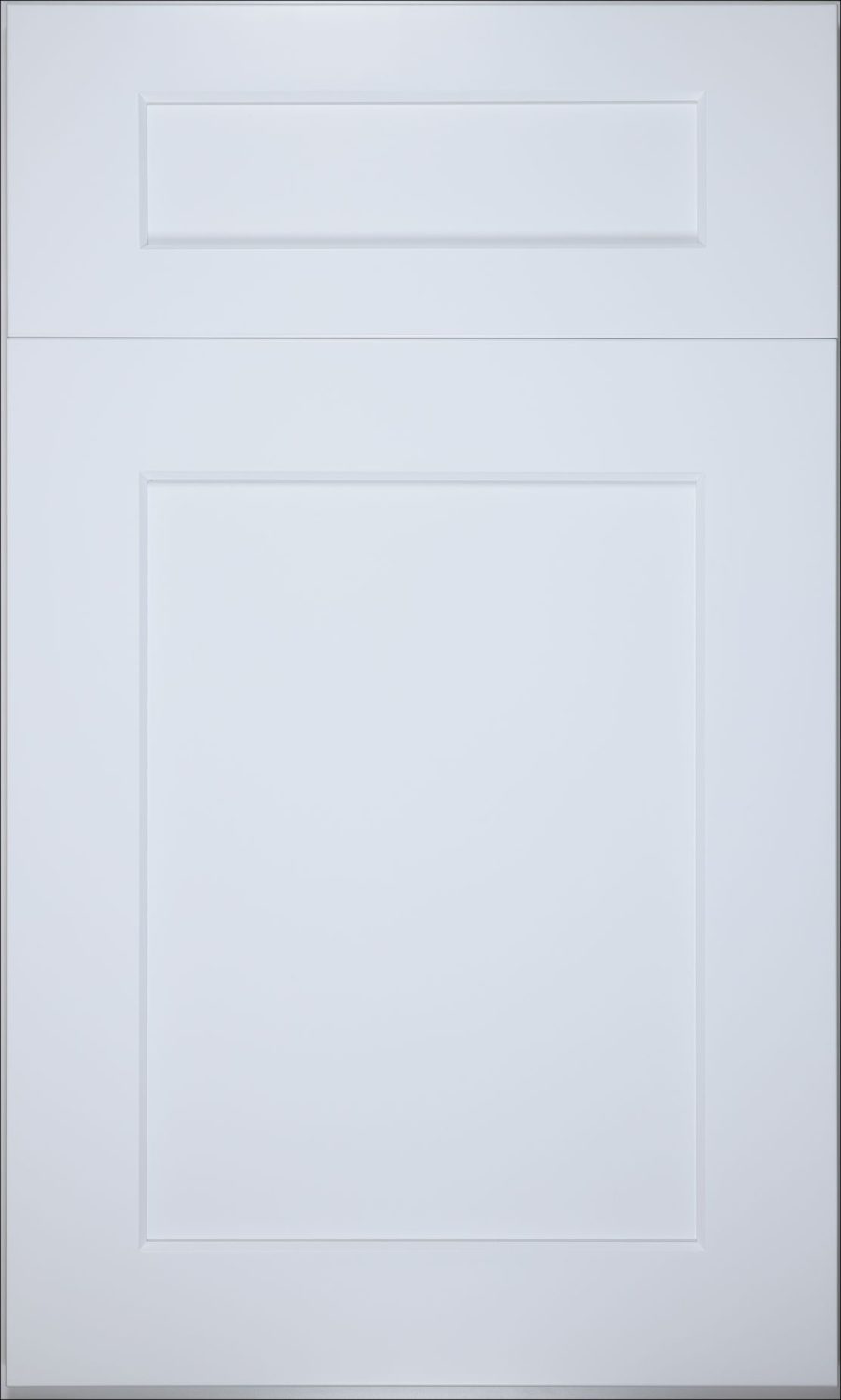
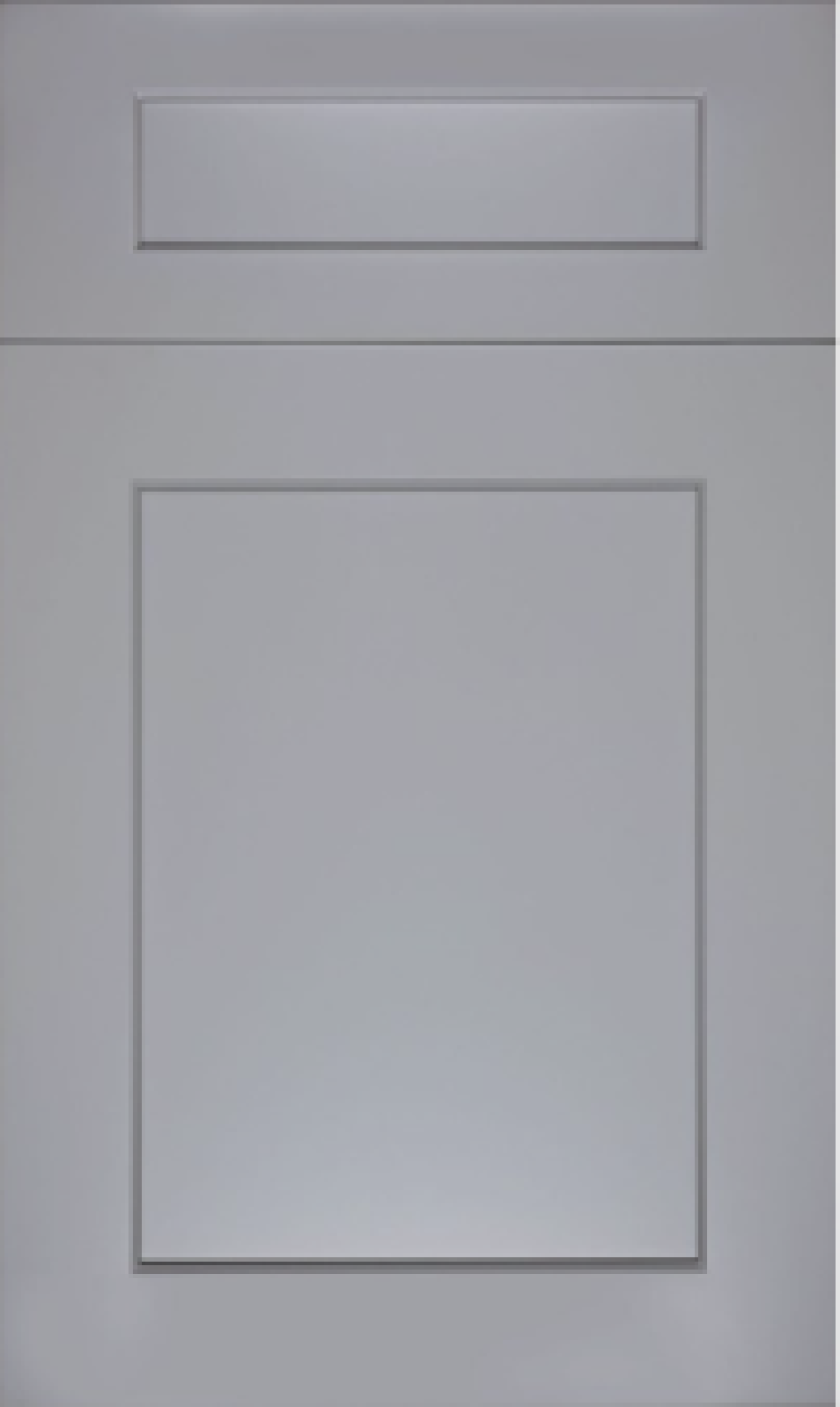
Light cabinet colors work better in small kitchens. White, cream, soft gray, and light wood tones help cabinets blend into the background. Instead of standing out, they appear as a natural part of the room.
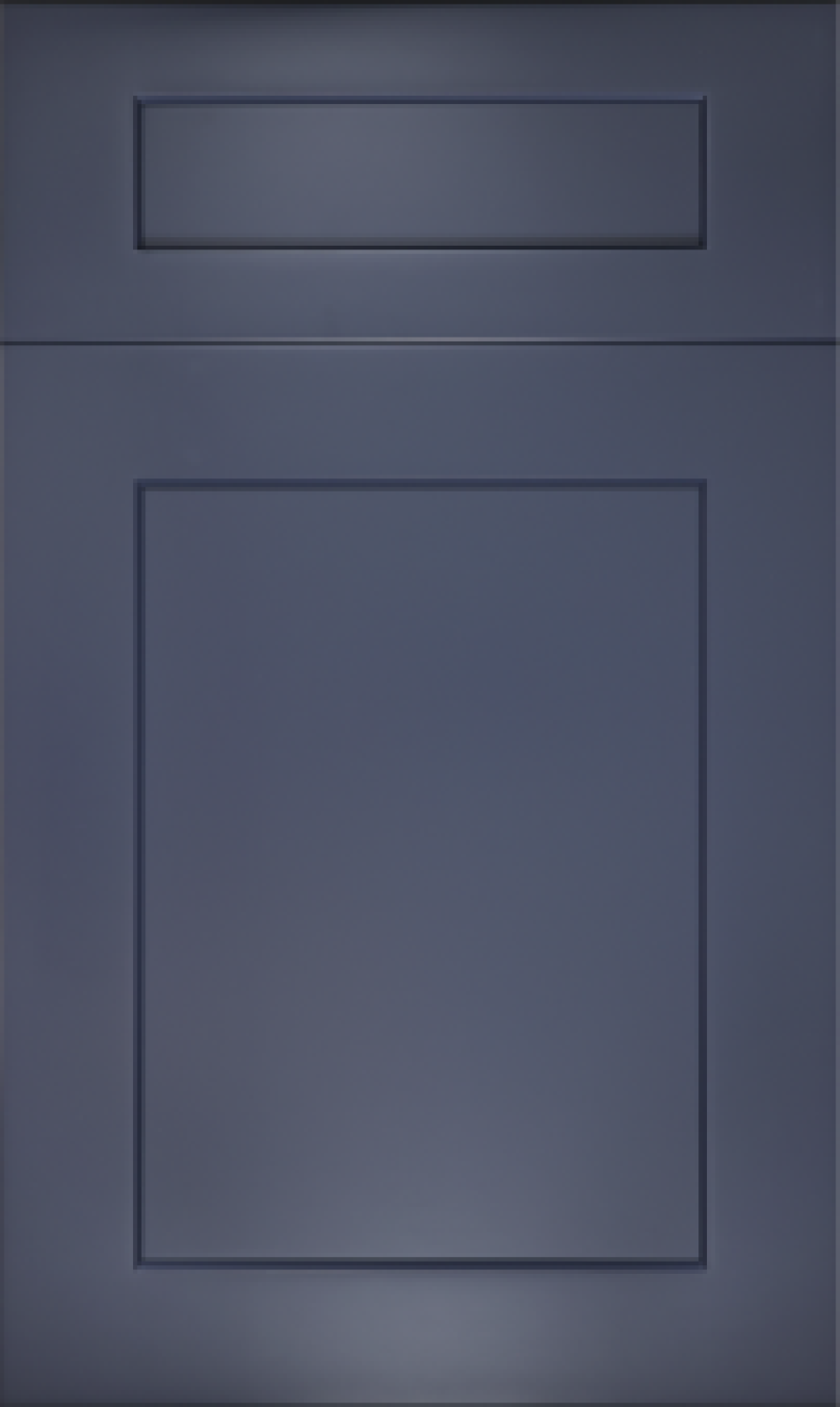
Dark cabinets can look beautiful, but they also come across as heavier. In a small kitchen, that visual weight can make the space seem closed in. Matching cabinet color closely to wall color helps reduce this effect.
When cabinets and walls are similar in tone, the kitchen looks seamless. The eye does not stop at every cabinet edge. This smooth look makes the space appear wider and more calming.
Install Cabinets That Go All the Way to the Ceiling
Short cabinets often leave empty space above them. In small kitchens, that unused area causes more problems than benefits. It visually cuts the wall in half and lowers the perceived ceiling height.
Floor-to-ceiling cabinets help resolve this issue. They direct attention upward and increase the sense of vertical space. They also create clean vertical lines that bring stronger structure and order to the kitchen.
Another advantage is reduced clutter. When cabinets stop short of the ceiling, items often end up stored on top. This adds visual noise and increases crowding. Full-height cabinets help eliminate it.
Often, it’s the most noticeable visual upgrades for a small kitchen.
Opt for Flat-Panel or Simple Cabinet Door Styles
Cabinet door style also affects how busy a kitchen looks. In small spaces, too much detail can feel overwhelming.
Ornate cabinet doors have deep grooves, heavy panels, and lots of lines. All of that adds visual noise. The eye has to work harder, and the space feels tighter.
Simple styles work better, such as:
- Flat-panel (slab) doors
- Shaker doors with slim rails
These styles create clean lines and smooth surfaces. Less detail means fewer visual breaks. This makes the kitchen seem more open and less crowded.
Clean lines also help light move across surfaces, which adds to the sense of space.
Use Reflective Surfaces to Bounce Light Around
Reflection can make a small kitchen look larger. When light bounces off surfaces, it adds depth and brightness.
There are many ways to introduce reflection without overdoing it:
- Glossy or satin-finish backsplashes
- Light quartz or polished stone countertops
- Glass cabinet inserts
- Polished or semi-polished hardware
Reflective surfaces are most effective when paired with good lighting. If the kitchen is dark, reflection won’t help much. However, in a well-lit space, the difference can be noticeable.
The goal is balance. A few reflective elements can brighten the room without creating an overly shiny or cold appearance.
Improve Lighting (Not Just Brighter — Smarter)
Lighting is often an overlooked part of small kitchen design. One ceiling light is rarely enough. You should aim for layered lighting.
After all, good lighting has layers:
- Ambient lighting for overall brightness
- Task lighting for work areas like counters
- Accent lighting for depth and interest
Under-cabinet lights are especially helpful. They remove shadows from countertops and brighten dark corners. When shadows disappear, the kitchen feels larger.
Accent lighting inside glass cabinets or along toe-kicks can also add depth. It creates soft points of light that make the room more inviting.
A bright kitchen always appears bigger than a dim one.
Keep Countertops Clear and Minimize Visual Clutter
Backsplash design has a strong effect on how open or closed a small kitchen feels. In tight spaces, small tiles and busy patterns can overwhelm the wall and add unnecessary visual detail. This makes the kitchen feel more crowded instead of cohesive.
Certain backsplash choices help control visual scale and support a more open layout.
- Large-format tiles reduce the number of grout lines on the wall. Fewer visual breaks allow the backsplash to read as one continuous surface, which helps the kitchen feel more open.
- Vertical tile layouts draw the eye upward. This emphasizes height and makes the ceiling feel taller, which is especially helpful in compact kitchens.
- Horizontal tile layouts guide the eye across the wall. This can visually widen a narrow kitchen and improve overall balance.
Some backsplash choices work against these goals and should be used carefully in small kitchens.
- High-contrast grout creates strong visual lines that break up the wall surface. In small kitchens, this can make the space feel busier and more confined.
- Very small tiles or intricate patterns add excessive detail. Too many visual elements competing for attention can overwhelm the space.
- Bold color contrasts between tile and grout, or between tile and surrounding surfaces, increase visual fragmentation and reduce the sense of openness.
Choose the Right Backsplash Pattern and Scale
Backsplash design has a strong impact on how open a kitchen feels. In small kitchens, busy patterns or tiny tiles can overwhelm the space and make walls feel closer together.
Larger-format tiles usually work better. They reduce the number of grout lines, which helps the wall read as a continuous surface. Vertical tile layouts draw the eye upward, making ceilings feel higher, while horizontal layouts can visually widen the room.
Avoid high-contrast grout in small kitchens. Strong grout lines break up the backsplash visually and add unnecessary detail. Subtle grout colors help keep the focus on openness rather than pattern.
Use Glass or Open Shelving Strategically
Glass-front cabinets can help a small kitchen feel deeper and less closed in. Because you can see through the cabinet face, the wall feels lighter and less solid, which adds visual space.
Open shelving can also work, but only in limited areas. One or two shelves can break up heavy cabinetry and improve flow, especially near windows or corners. However, too much open shelving quickly adds visual clutter if items are not carefully organized.
The key is restraint. Use glass or open shelving where it improves light and balance, and rely on closed cabinets elsewhere to maintain a clean, spacious look.
Create Visual Flow With Fewer Material Changes
Too many materials can make a small kitchen feel fragmented. Each change in cabinet color, countertop material, or hardware finish creates a visual stop, which breaks the space into smaller sections.
Limiting material changes helps the kitchen feel unified. When cabinets, counters, and finishes work together, the eye moves smoothly around the room without interruption. That continuity makes the kitchen feel larger and more cohesive.
Consistency does not mean boring. It simply means choosing a clear design direction and sticking to it.
Choose the Right Hardware Scale and Finish
Hardware might seem like a small detail, but in a compact kitchen, scale matters. Oversized or bulky hardware draws attention to itself and can overpower small cabinet doors.
Slim pulls, low-profile knobs, or integrated handles tend to work best. They support clean lines and reduce visual weight. Light finishes, such as brushed nickel or chrome, also help reflect light without standing out too much.
When hardware blends in rather than competing for attention, the kitchen feels calmer and more open.
Use Vertical Space Intentionally
Vertical design elements can make a small kitchen feel taller. When the eye is drawn upward, the room feels more spacious even if the footprint stays the same.
Tall pantry cabinets, vertical tile layouts, and elongated cabinet proportions all encourage upward movement. This creates a stronger sense of height and reduces the boxed-in feeling common in small kitchens.
Using vertical space intentionally also improves storage efficiency without crowding the layout horizontally.
Go Handle-Less or Minimal Where Possible
Handle-less cabinets or recessed pulls reduce visual breaks across cabinet faces. Fewer interruptions create smoother surfaces, which makes the kitchen feel cleaner and more open.
This approach works especially well in modern small kitchens, but even partial use can help. For example, handle-less upper cabinets paired with minimal lower hardware can noticeably reduce visual clutter.
Cleaner cabinet fronts allow the kitchen to feel lighter and more spacious.
Choose Appliances That Don’t Visually Dominate
Large, high-contrast appliances can visually overwhelm a small kitchen. When appliances stand out too much, they interrupt the flow and draw attention away from the overall design.
Panel-ready appliances blend into cabinetry and reduce contrast. Slim-depth refrigerators and built-in appliances also help maintain consistent lines and proportions.
When appliances visually recede, the kitchen feels more balanced and easier on the eyes.
Use Flooring to Make the Kitchen Feel Wider
Flooring direction can change how a kitchen feels. Running planks lengthwise through a narrow kitchen can make it feel longer, while horizontal layouts can visually widen the space.
Using the same flooring in adjacent rooms also helps. Continuous flooring removes visual boundaries, allowing the kitchen to feel like part of a larger area rather than a separate, enclosed room.
Simple flooring patterns work best. Busy designs draw attention downward and can make the space feel crowded.
Remove Unnecessary Upper Cabinets (Selectively)
In some small kitchens, removing select upper cabinets can improve openness and light. This is especially effective near windows or in areas where cabinets feel heavy or intrusive.
However, this should be done strategically. Storage still matters, so removing all upper cabinets is rarely practical. The goal is balance, not minimalism.
When done thoughtfully, selective removal can make a kitchen feel more breathable without sacrificing function.
Keep Window Treatments Minimal or Skip Them Entirely
Natural light plays a major role in making a small kitchen feel bigger. Heavy curtains or bulky treatments block light and visually shrink the space.
If privacy allows, leaving windows uncovered is ideal. When coverings are necessary, choose sheer panels or inside-mount shades that let light pass through.
More natural light means fewer shadows, brighter surfaces, and a kitchen that feels open and welcoming.
Common Mistakes That Make Small Kitchens Look Smaller
Small kitchens often feel cramped for reasons that have little to do with square footage. In many cases, the issue comes from design choices within the space.
Certain mistakes add visual weight, interrupt continuity, or introduce clutter. The good news is that most of these problems are easy to correct.
Below are some of the most common mistakes that reduce the sense of space in a small kitchen:
- Using dark cabinet colors: Dark cabinets absorb light rather than reflect it. This reduces brightness and visually pulls the walls inward. While dark colors can be bold and stylish, they usually require strong natural light to succeed. In small kitchens, light cabinet colors increase brightness and support a more open layout.
- Mixing too many finishes: Using multiple cabinet colors, countertop materials, and hardware finishes adds visual complexity. Each change creates a break in the design, which divides the space into smaller sections. Limiting finishes allows the eye to move smoothly around the room and supports a more open result.
- Relying on poor or limited lighting: A single overhead light is rarely sufficient. Shadows and dark corners reduce brightness and compress the space. Adding under-cabinet lighting and improved ceiling fixtures increases overall light levels and minimizes shadowed areas. Remember, strong lighting improves openness and clarity.
- Choosing oversized hardware: Large or bulky cabinet handles can overwhelm small cabinets. They draw excessive attention and increase visual weight. Slim, simple hardware integrates more easily and keeps the design balanced.
- Allowing countertops to remain cluttered: Crowded countertops create visual noise and limit usable space. Small appliances and daily items accumulate quickly. Organizers and concealed storage help keep surfaces clear. Open countertops support visual calm and improve the sense of space.
FAQ
What color makes a small kitchen look bigger?
Light colors always do the trick. White, off-white, light gray, and soft beige reflect light and reduce visual boundaries.
Does white always make a small kitchen look bigger?
Although white is very effective, it’s not the only option. Soft neutral colors can also create a spacious feel when used consistently.
Are dark cabinets bad for small kitchens?
Dark cabinets are not always bad; however, they can make a kitchen feel smaller if there is not enough light or contrast control.
Can paint alone make a small kitchen look bigger?
Paint can make a substantial difference, especially when paired with good lighting and simple design choices.
Is open shelving good for small kitchens?
Open shelving can work if it’s limited and well-organized. Too much open shelving can make a kitchen feel messy.
Do upper cabinets make a small kitchen feel cramped?
They can if they’re bulky or poorly placed. Full-height cabinets or selective removal often works better than standard short uppers.